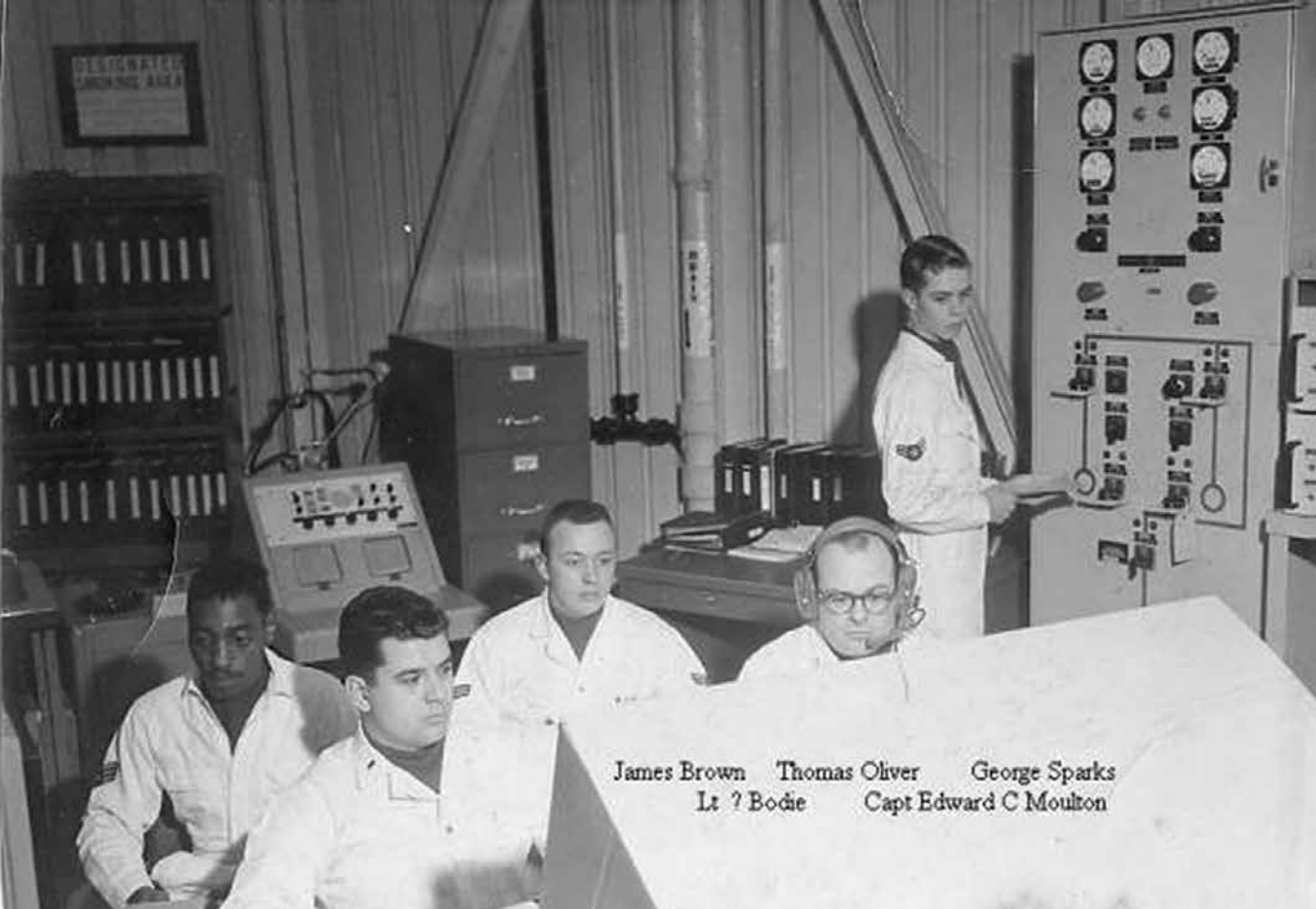
As the Soviet Union appeared to surpass American nuclear capability in the late 1950s, the U.S. government moved quickly to reassert its nuclear dominance
History of North Star Missile Silo
Source: Landry Brewer, Kansas History: A Journal of the Central Plains 43 (2020)
In the late 1950s, with the Soviet Union appearing to outpace American nuclear capability, the U.S. government raced to close the gap — and the Atlas intercontinental ballistic missile was its answer.
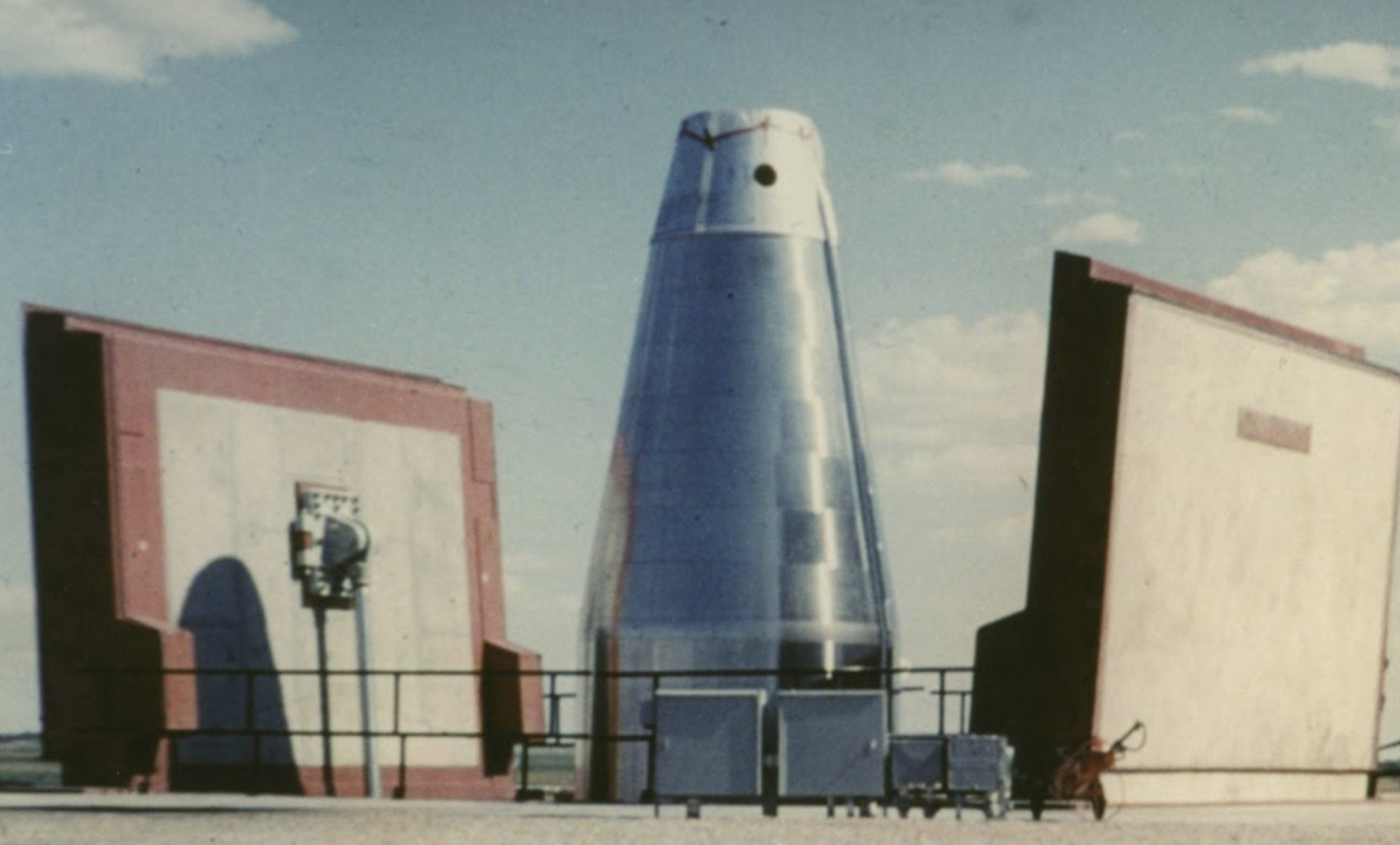
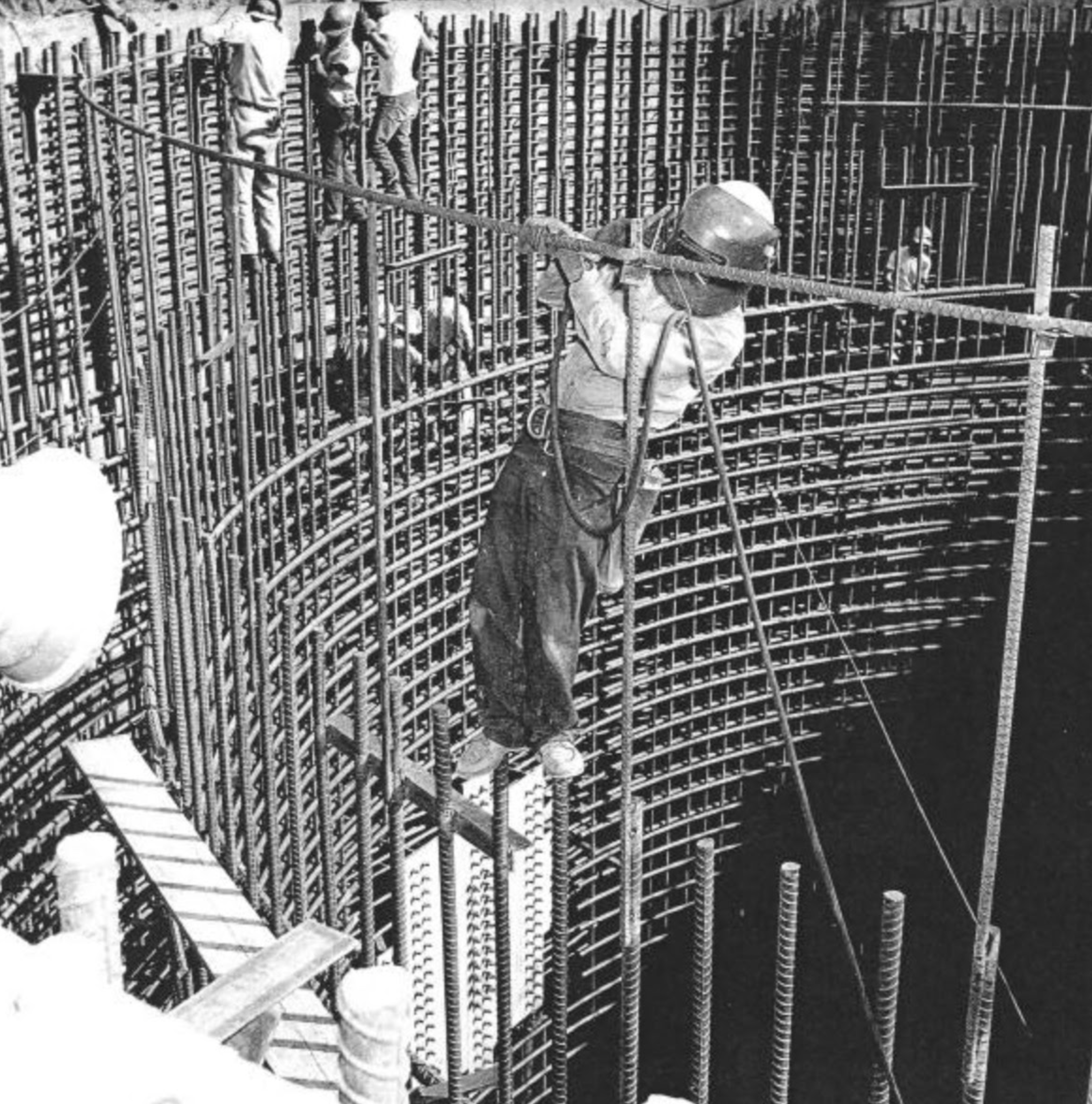
With budget treated as a secondary concern, the military built twelve ICBM sites around Schilling Air Force Base in central Kansas. The location was deliberate: it lay beyond the reach of Soviet missiles launched from submarines off either U.S. coast. To construct dozens of these sites nationwide on a wartime timeline, the Army Corps of Engineers stood up a dedicated Ballistic Missile Construction Office, mobilizing hundreds of workers and sparing no expense.
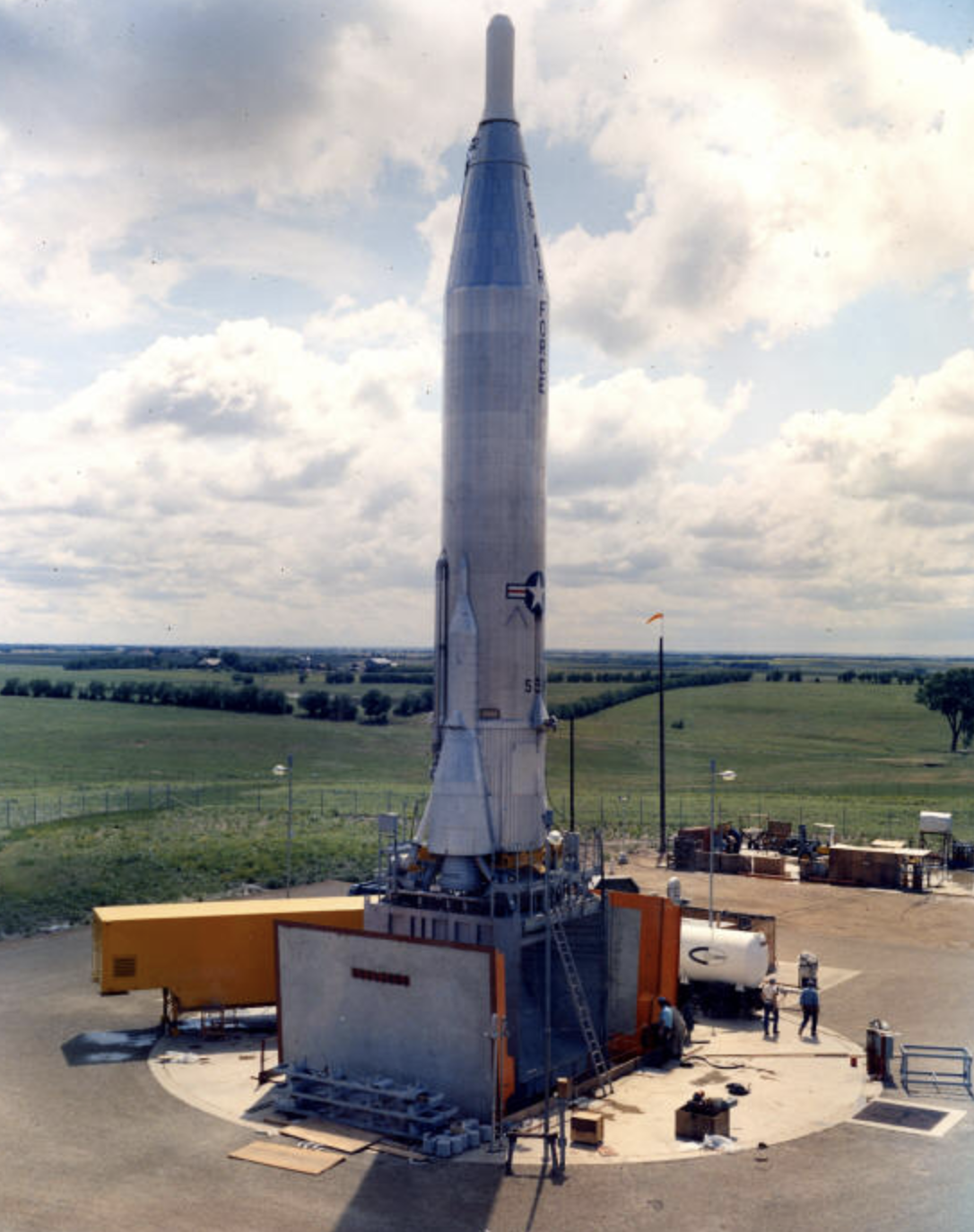
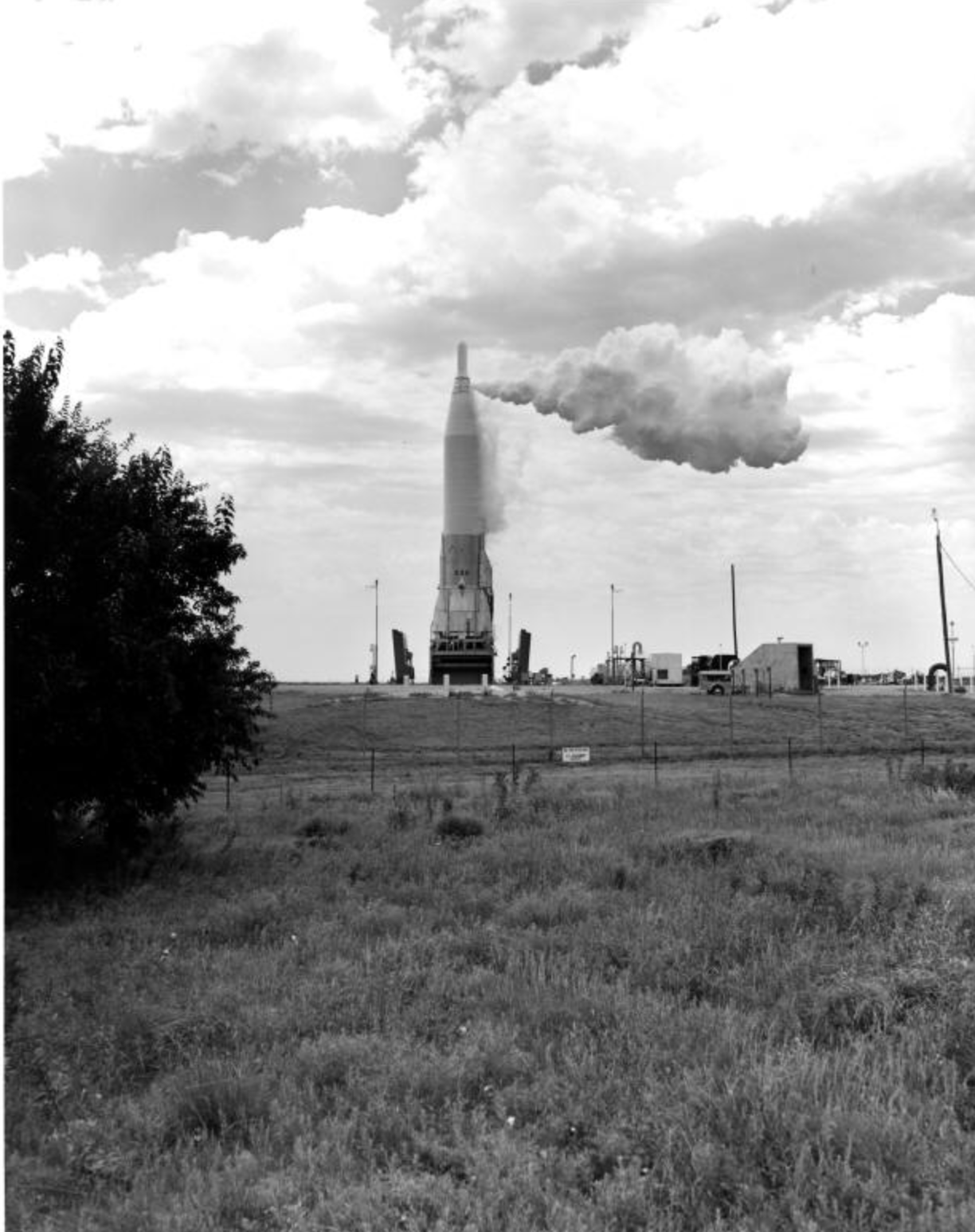
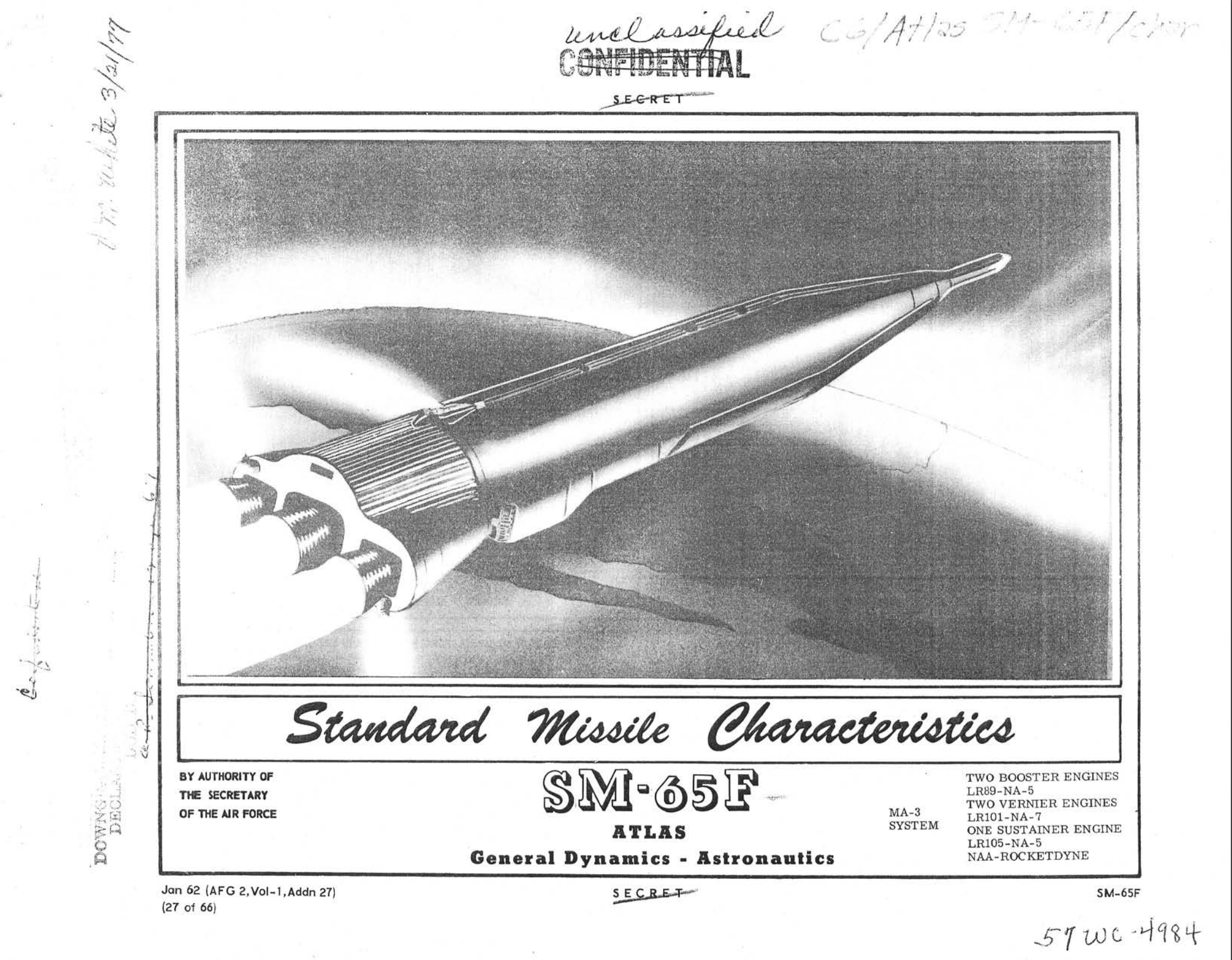
The most advanced of these weapons, the Atlas "F," stood about 82.5 feet tall and 10 feet wide and weighed 267,136 pounds fully fueled. It could reach 16,000 mph and strike a target 7,000 miles away in just 43 minutes. Its warhead carried a yield of nearly 4 megatons — more than 100 times the destructive power of the bombs dropped on Hiroshima and Nagasaki. The "F" series was also the most difficult and expensive of all the Atlas sites to build.
Each silo was engineered to do two things at once: shield the missile and its launch crew from a nuclear strike, and let that missile fire back within minutes. Built from the strongest epoxy concrete available, the silo housed a massive steel rebar "crib" suspended from its walls on four enormous springs — shock absorbers sized to soften the blow of a near-direct hit. The concrete poured into a single Kansas Atlas "F" silo could have paved a six-inch-thick, 20-foot-wide highway stretching from St. Louis past Chicago.
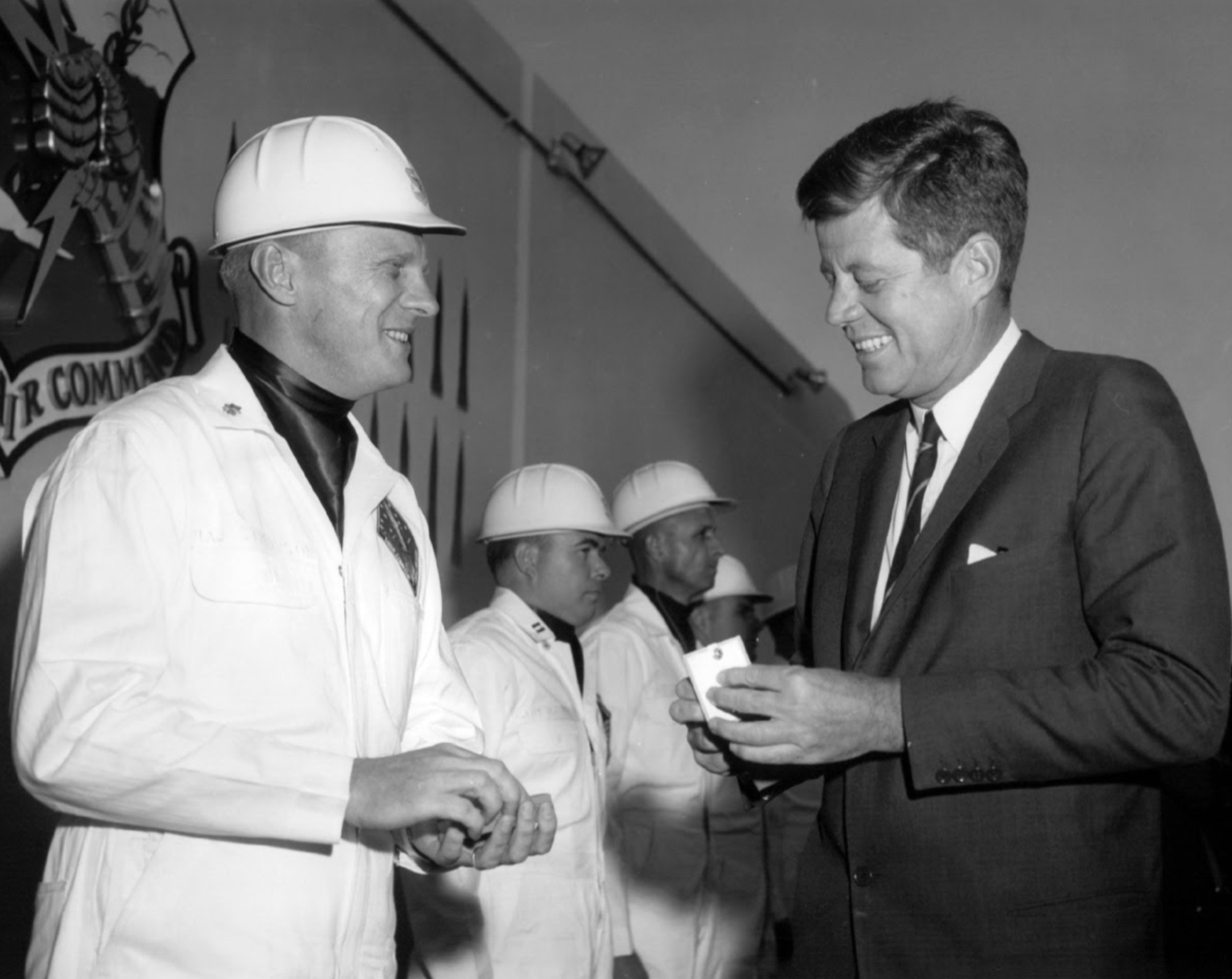
North Star — named for the star its crews used to calibrate the missile's navigation system — stood on alert until June 1965. By then, both superpowers understood that any nuclear exchange meant mutually assured destruction. As Khrushchev wrote to Kennedy, thermonuclear war was a path only "lunatics or suicides" would choose. The U.S. soon began decommissioning its Atlas and Titan fleet — nine Atlas E's, twelve Atlas F's, and eighteen Titan II's — selling some to private owners and others to school districts and universities.
Today, North Star is one of the very few that remain fully intact — and available to own.